
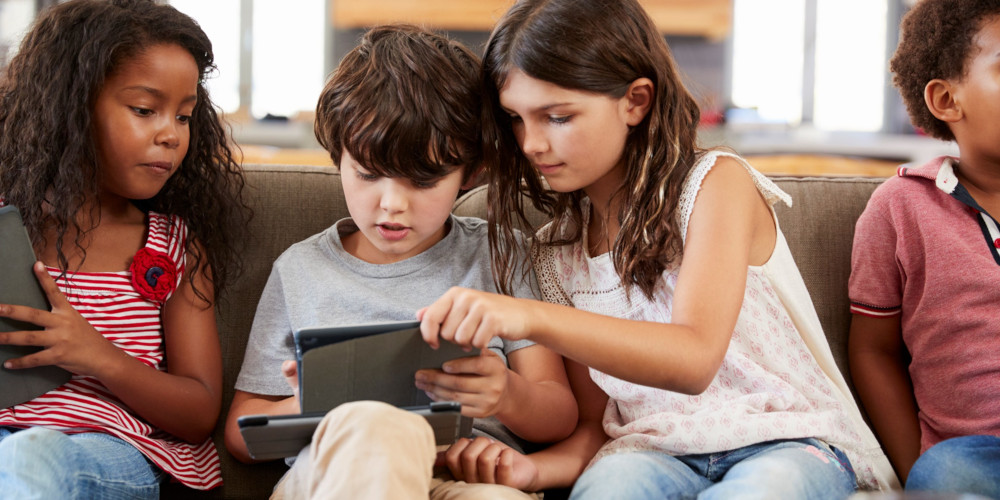
Most families do not introduce screens with the intention of creating dependence or emotional distance. Screens usually arrive during moments of exhaustion, pressure, or overload, when a child is restless and a parent has nothing left to give. A device brings instant calm, noise drops, conflict pauses, and the household feels manageable again. This relief is real and understandable, but it comes with a long term trade off that is rarely acknowledged. Peace at home is often being purchased through screens, not because parents are careless, but because modern life leaves little space for emotional patience. Over time this repeated exchange quietly reshapes family dynamics, replacing engagement with avoidance and connection with silence.
Calm Is Not the Same as Regulation
A child absorbed in a screen may look calm, but this calm is often superficial rather than regulated. True emotional regulation develops when a child experiences feelings and learns how to move through them with support. Screens interrupt this process by diverting attention away from discomfort instead of helping the child understand it. Frustration, sadness, boredom, or anxiety do not disappear when a screen appears, they are simply paused. When distraction becomes the primary method of calming, children lose opportunities to build internal coping skills. The household may feel peaceful on the surface, but the emotional system underneath remains untrained and increasingly fragile.
How Screens Become Emotional Pacifiers
In many homes screens function as emotional pacifiers rather than entertainment tools. They are offered during moments of distress because they work quickly and reliably. The child feels better, the parent feels relief, and the interaction ends without escalation. This repeated pattern teaches a powerful lesson, that uncomfortable feelings should be escaped rather than tolerated or understood. Over time both child and parent become conditioned to reach for distraction instead of engagement. What begins as a practical solution slowly becomes the default response to emotion, crowding out the development of emotional language, patience, and resilience.
Avoidance Slowly Replaces Engagement
When screens are consistently used to bypass emotional moments, meaningful engagement decreases. Conversations shorten, emotional check ins disappear, and opportunities to guide children through feelings quietly erode. Children begin turning to screens not only for stimulation but for emotional safety, because they have learned that difficult feelings are better handled privately and digitally. This withdrawal does not usually look dramatic. It often appears as independence or self sufficiency, but underneath it reflects disconnection. The screen becomes a buffer between the child and relational discomfort, making emotional closeness harder to access over time.
The Emotional Cost of Always Choosing the Easy Option
Choosing the easiest option in the moment is a natural response to fatigue and pressure. Parenting requires sustained emotional energy that many adults simply do not have at the end of long days. However, when ease consistently overrides emotional engagement, long term costs begin to surface. Children who are frequently distracted from discomfort struggle to tolerate frustration and uncertainty later on. Small stresses feel overwhelming, emotional reactions escalate quickly, and resilience remains underdeveloped. Parents then face bigger emotional challenges down the line, often during adolescence, when screens no longer soothe as effectively and deeper emotional needs demand attention.
Peace Built on Silence Is Fragile
A quiet home filled with screens may feel peaceful, but silence is not the same as emotional stability. When everyone is absorbed individually, emotional needs can go unnoticed and unmet. Families may spend hours together without meaningful interaction, shared experience, or emotional attunement. Eye contact decreases, spontaneous conversation fades, and the emotional fabric of the household thins. When conflict eventually surfaces, it often feels intense and destabilising because the relational groundwork for repair has not been maintained. The peace provided by screens depends entirely on continued distraction and breaks down quickly when that distraction is removed.
Parents Are Managing Overload Not Avoiding Responsibility
It is essential to recognise that most parents use screens because they are overwhelmed, not because they are disengaged or indifferent. Modern life places heavy demands on families while offering limited structural support. Long working hours, financial pressure, and constant responsibility leave little room for rest or emotional presence. Screens become tools that allow parents to function when their capacity is depleted. Criticising this behaviour without acknowledging the conditions that create it is unfair and unproductive. The issue is not a lack of care but a lack of support.
Children Learn What Soothes Them
Children internalise whatever consistently brings relief during moments of discomfort. When screens are the primary source of calm, they become emotionally significant and deeply relied upon. This reliance limits the development of alternative coping strategies such as movement, conversation, creativity, and reflection. Over time children may struggle to access calm without external stimulation. This pattern can extend beyond screens later in life, shaping how individuals respond to stress and emotional pain. The lesson learned is not how to cope but how to avoid.
Reintroducing Emotional Presence Feels Hard at First
When families begin reducing reliance on screens, emotional intensity often increases before it improves. Children express more frustration, boredom, or distress because emotions that were previously muted now surface. Parents may feel discouraged and question whether change is causing harm. In reality this phase reflects emotional material returning to awareness. Feelings that were bypassed now require attention and guidance. With consistent presence, empathy, and boundaries, emotional storms gradually settle. Children learn that feelings can be held and managed without immediate distraction.
Connection Requires Tolerating Discomfort
Genuine connection involves moments of irritation, boredom, and misunderstanding. These experiences are uncomfortable but essential for emotional growth. When families tolerate these moments together, children learn that relationships can withstand discomfort and repair is possible. Screens remove these learning opportunities by eliminating friction entirely. While this may feel kind in the short term, it deprives children of essential relational skills. Emotional endurance is built through shared discomfort, not avoided through constant stimulation.
Choosing Long Term Stability Over Short Term Quiet
Short term quiet is seductive because it offers immediate relief. Long term emotional stability requires patience, consistency, and willingness to sit with discomfort. Families who prioritise emotional engagement over instant calm build deeper resilience over time. This does not mean constant interaction or forced closeness. It means remaining available when emotions arise and resisting the impulse to neutralise them immediately. Stability grows when children learn that feelings are manageable and relationships remain intact during emotional moments.
Peace That Grows Rather Than Disappears
A home that relies less on screens for emotional management and more on presence gradually becomes calmer in a sustainable way. Children develop regulation skills, parents gain confidence, and conflict becomes less threatening. Screens do not need to be eliminated, but they must stop functioning as emotional buffers. Peace rooted in connection is quieter and more stable. It does not depend on glowing screens or constant distraction. It is built slowly through repeated choices that favour capacity over convenience and engagement over avoidance.